
Analyze any token
Paste the contract (CA) of a token on Solana or on an Ethereum-type network, BNB Chain or Base. It is the same check we do before every entry: liquidity, age, volume, contract, holders and chart. No sign-up. It is an automatic analysis with public data: it guarantees nothing and is not financial advice.

How it works
Join the group
See how we work
If it works for you, subscribe
What is included
Recorded signals
AI analysis
Candlestick charts
Dips and launches
Daily prediction
Daily brief
Entry simulator
Pick one of our trades and how much you would have put in. We show you what would have happened if you sold when we posted it and if you held until today. They are all here: the ones that went well and the ones that did not.
Illustrative simulation using the prices of each post and today's price from CoinGecko. It does not include fees or slippage. Past performance does not guarantee future results. High risk.
Today in the club
What is happening right now in the group.
🎯 Prediction of the day
🗞️ Daily brief
Trade record
Since 09/30/2026 every trade is recorded with its contract, entry price and exit price, and published as a winner or a loser. The numbers come from the bot's database and are not edited by hand.
What we publish
Screenshots of posts by @Degenstrades on X and from the Telegram group, with their original date (2025 and 2026). Tap them to view them larger.
Earlier history
Trades from 2025-2026 entered by hand. They have no automatic price verification; all of them are shown, with their date.
View history (0 trades)
| Date | Asset | Entry | Result |
|---|
* Administrative close at the market price of 09/30/2026: that position was not closed at the time, so it was recorded as it stands today versus its entry. The ones without an asterisk show the result that was noted when they were closed back then.
ARDC account: 100 USD, 5 per trade
A demo account that trades the same real entries we publish: it starts with 100 USD and puts in at most 5 USD per trade. The money is fictional; the entries, dates and results are the real ones from the record. All of them go in, winners and losers. It is a simulation: it is not a promise of results.
| Open | Asset | Stake | Result | In USD |
|---|
Public tracking
When a token explodes and we say on X that we are waiting for a pullback instead of entering, we log it here: date, price when we posted and today's price. Unfiltered: whether waiting works out or not, it stays in plain sight. An observation is not an entry or a recommendation.
How we pick an entry
Before posting an entry we always check the same things. When we announce it in the group, the bot shows a summary of which of these requirements it meets and at what level. Win or lose, the criteria are the same.
🚧 Filters that rule out
- Liquidity of at least 30K USD. With less, getting out is expensive; under 10K is the red zone.
- It can be sold (no honeypot).
- No active mint or freeze: the creator cannot issue more tokens or freeze accounts.
- Locked or burned liquidity, the more the better.
🔍 Quality signals
- Real volume relative to liquidity; disproportionate volume smells like wash trading.
- Pair age: under 6 h is sniper and rug territory.
- Holders and concentration: more than 100 holders and a top 10 that does not dominate the supply.
- Liquidity vs market cap: under 1%, a single seller sinks the price.
- Buys vs sells in the last hour, and whether the dev still holds a lot of supply.
🧭 Context
- Always by contract (CA), never by ticker. A ticker can lead to a fake token.
- We do not enter a candle that already went up several times in minutes.
- We check whether there is a real reason for it to move, or whether it is a clone.
💼 Management
- Position size you can afford to lose entirely.
- Exit plan before entering: partial profit and the level where we are wrong.
- We test slippage first: if it is high, there is not enough liquidity.
Education: surfing the wave
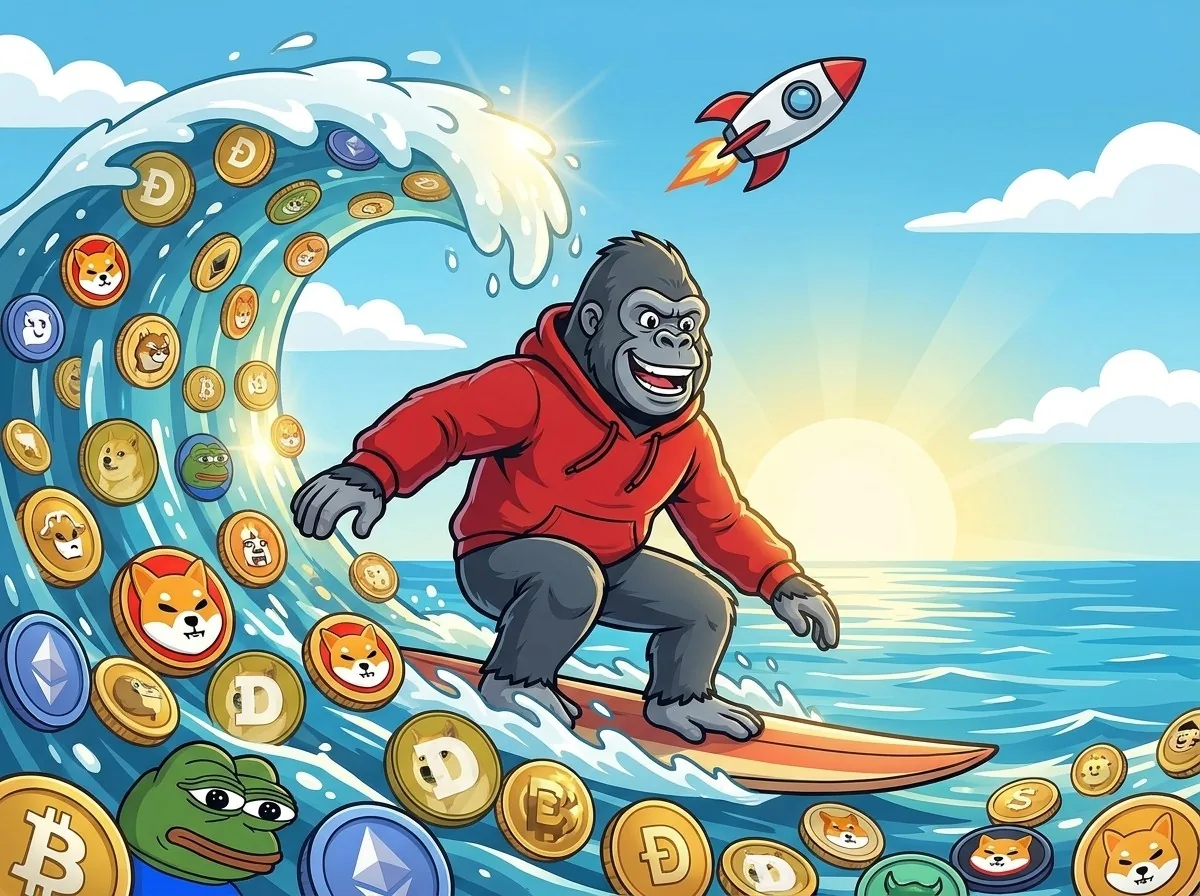
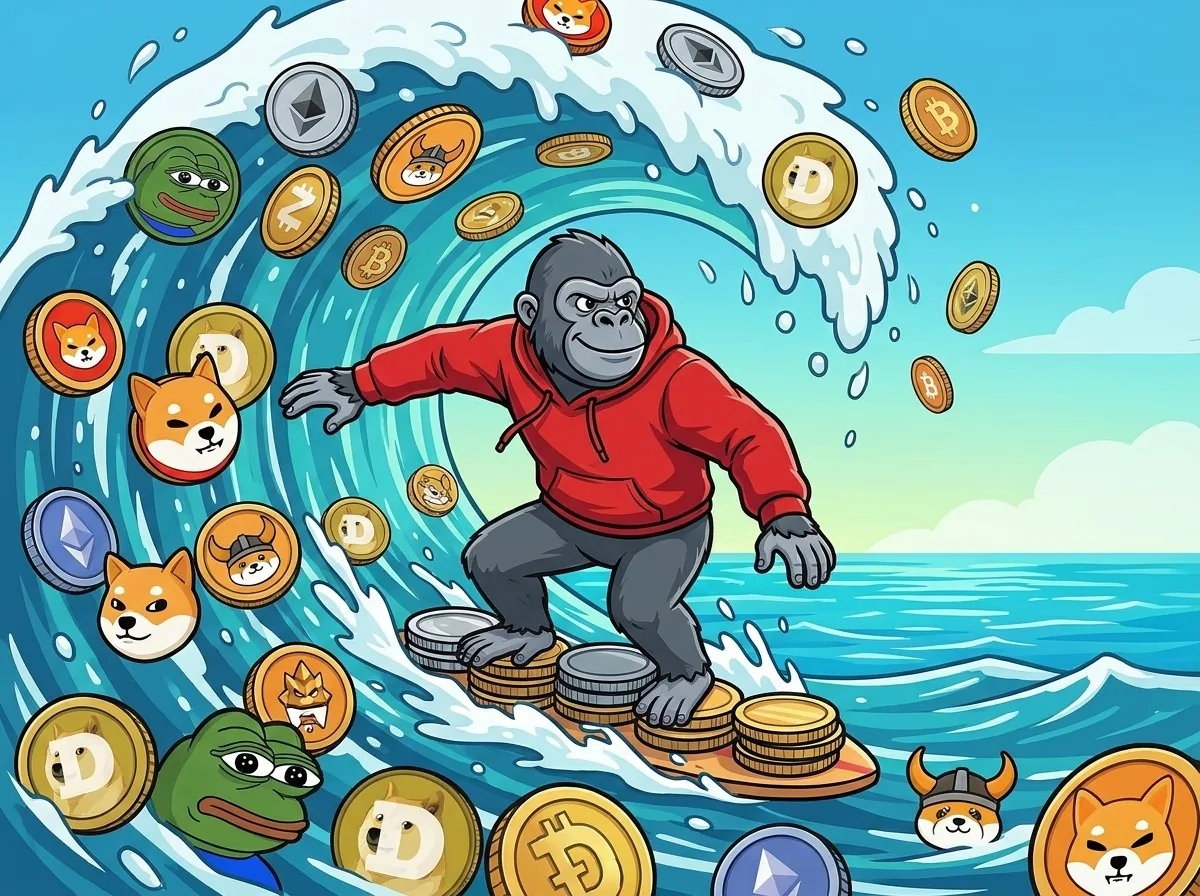
A memecoin is a wave: it rises, it has a crest and it breaks. Our job is not to wait for it to reach the moon, it is to enter, take partials and get out in time. This is what we do and what we look after. It is educational, not financial advice.
🌊 The big idea
- Every memecoin ends up dying, sooner or later. What changes is how long it takes.
- We do not wait for “the moon”: we look for the crest of the wave and surf it.
- Waves end. Getting out in time is half the job, and the hardest part.
- None of this is a promise: sometimes the wave is small, sometimes it breaks early and sometimes we are wrong. That is why we show every trade.
🎯 Enter, take a partial, exit
- Before entering we decide how much we risk and where we are wrong.
- Entry: ideally on a pullback after a move, not on the candle that already exploded. If it already went up a lot, we wait.
- Partial: when the trade is winning, we take out a part (for example half) and let the rest run. That way part of the risk is already covered.
- Exit: the rest is sold before the wave breaks. There is no “I'll hold it forever”.
- Real example, in plain sight in the record: $SI, a 50% partial at almost +100% from entry.
🧠 What to keep in mind
- Always by contract (CA), never by name or ticker: clones exist.
- Liquidity, age and holders before enthusiasm. See how we pick an entry.
- Small size: only what you can afford to lose entirely.
- Watch out for slippage: on tokens with low liquidity, the purchase itself moves the price.
- To look at a specific token, use the free analyzer.
🚫 What we avoid
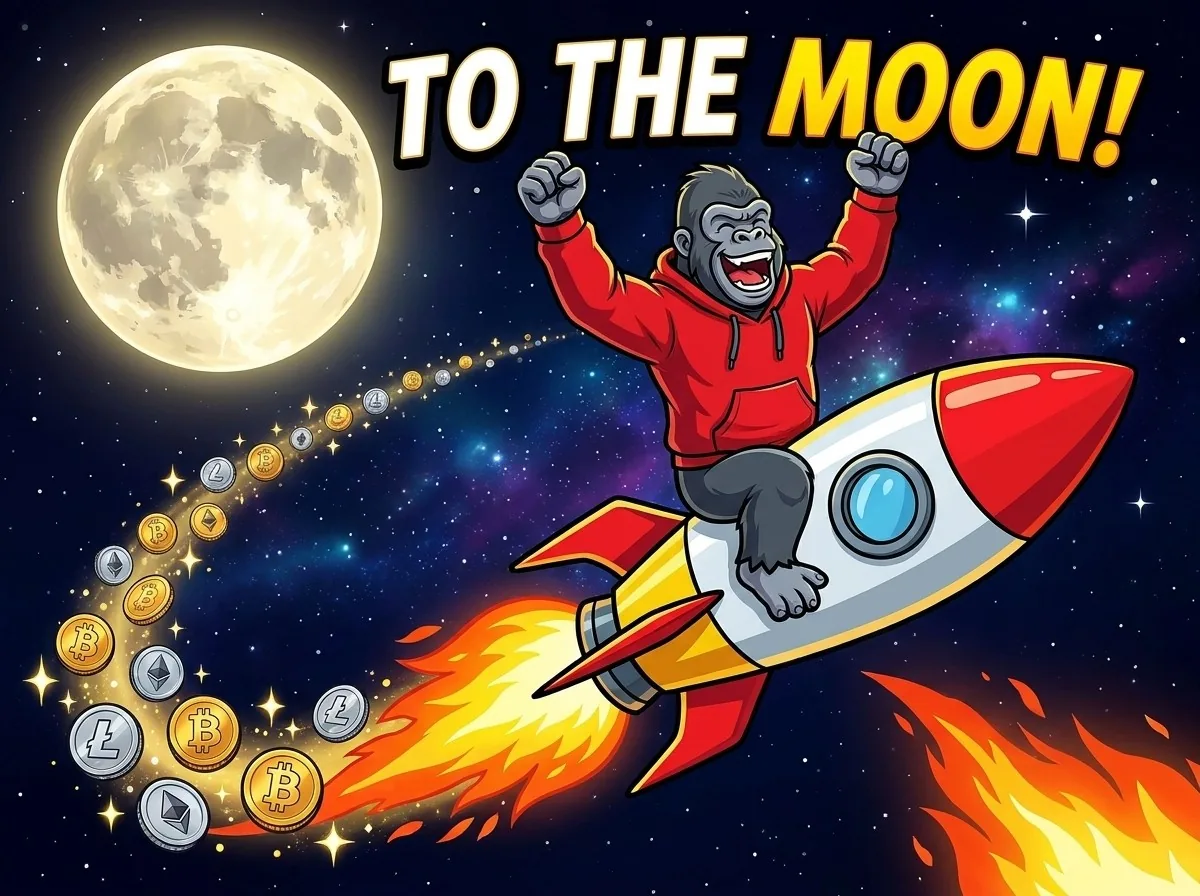
Waiting for “the moon” is what makes many people lose what they had already won.
- Entering out of fear of missing out (FOMO) after it has already gone up several times.
- Mixing your savings with your memecoin wallet.
- Signing without understanding what you are approving.
- Leaving a trade open “to see if it goes to the moon”.
- Following tokens with no real liquidity: the numbers look good and you cannot get out.
👛 Wallets we use
- Phantom and Jupiter for Solana.
- MetaMask and Rabby for Ethereum-type networks (BNB Chain, Base, Ethereum). Rabby simulates the transaction before you sign it and lets you pay gas with stablecoins (Gas Account).
- Keplr for Injective and the Cosmos ecosystem.
- Always from the official site, and a separate wallet for trading memecoins.
- More in Security.
🕸️ Networks we follow
- Solana (the most active for memecoins), BNB Chain, Base, Ethereum and Injective.
- Each network has its own DEXs: Jupiter on Solana, PancakeSwap on BNB Chain, Uniswap or Aerodrome on Base, Uniswap on Ethereum.
- More networks is not better: it is more risk surface. We trade where we understand the terrain.
⛽ Gas: don't run out of fuel
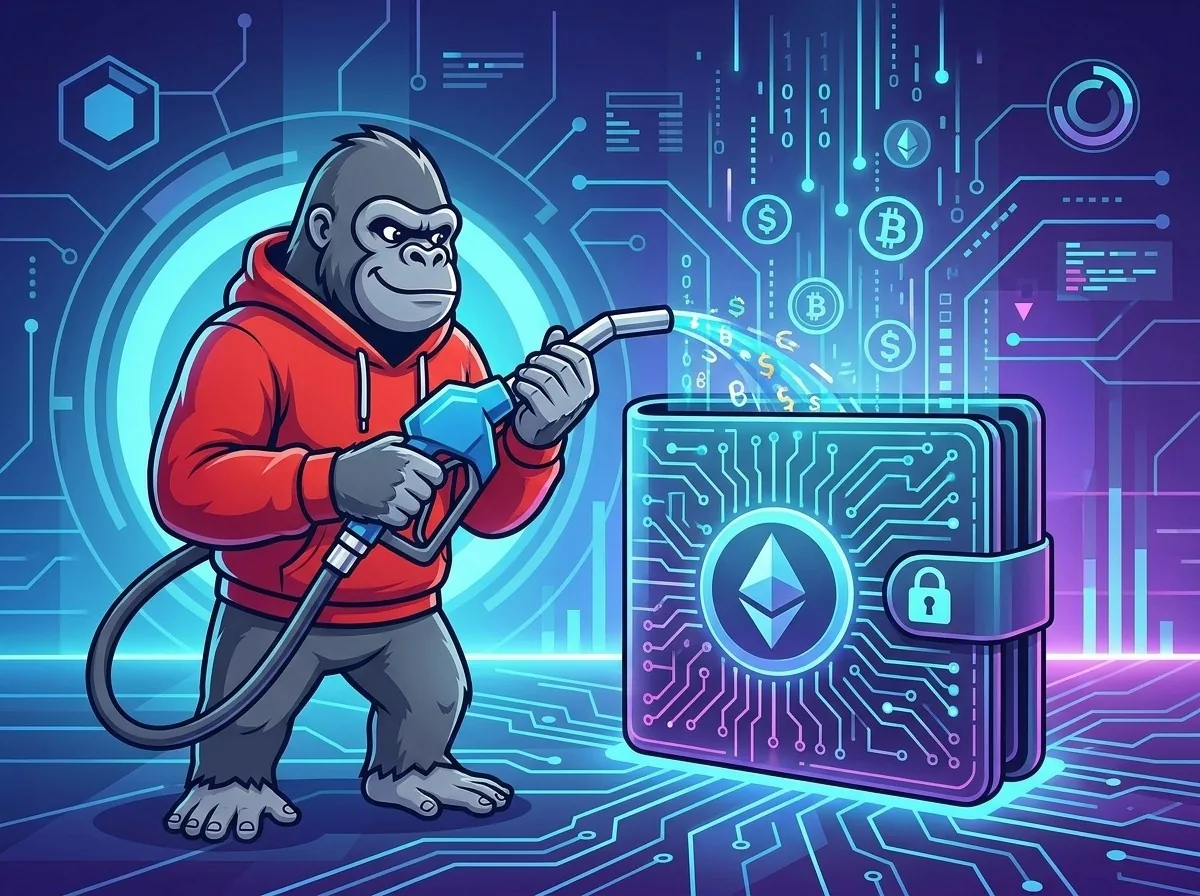
- Each network charges fees (“gas”) in its native coin: SOL on Solana, BNB on BNB Chain, ETH on Base and Ethereum, INJ on Injective.
- Without a balance for fees you cannot even sell. Check your gas balance before entering a trade.
- Times have changed: some wallets now let you pay gas with stablecoins. Rabby, for example, has a “Gas Account”: you deposit USDT or USDC and fees are deducted from it, on the EVM networks it supports (73 according to the wallet itself).
- That method is practical, but it tends to cost a little more than paying with the native coin, because the wallet converts the stablecoin. And it applies to Ethereum-type networks: not Solana or Injective.
- On Solana, opening the account for a new token also costs a small rent in SOL.
- With low liquidity or heavy congestion, cost and slippage go up. Check before you confirm.
📈 Charts and tools
- DexScreener to see the pair, candles, liquidity and the history of buys and sells.
- RugCheck for contract permissions and the biggest holders on Solana.
- GeckoTerminal (CoinGecko) as the source of pool data.
- Our analyzer brings that data together on one screen, and the group's alerts include quick links to terminals like Photon and BullX.
🛡️ Security when trading
- Revoke.cash: on Ethereum-type networks, review and revoke the permissions you gave to contracts you no longer use.
- Pocket Universe (Kerberus): an extension that warns you when signing if something looks dangerous. It is a referral link and may earn us a commission; they explain their coverage and conditions right there.
- Your seed phrase is never shared with anyone.
- Tokens that show up on their own in your wallet are not to be touched.
Security
Trading memecoins is already risky. What you can avoid is losing money to a malicious signature or a fake page. These are the tools we use or recommend.
🛡️ Pocket Universe (Kerberus)
Browser extension👛 Recommended wallets
Basic survival rules
- Download wallets and extensions only from the official site: fake copies in the stores exist.
- You never give your seed phrase to anyone: not to an admin, not to support, not to a website.
- Use a separate wallet for memecoins, with only what you are willing to lose.
- If a signature asks for permission over all your tokens and you did not expect it, reject it.
- No one from the club will message you privately to ask for money or access to your wallet.
Roadmap
The club moves forward in stages, and each stage is only activated if the community grows, there is validation and there is revenue. It is a plan, not a promise: what gets built, and when, depends on how the community develops.

Today
- AI risk analysis and a public analyzer with a holder map
- Dip and trend detector, with pullback alerts
- Daily prediction with ranking and prizes in membership days
- Trade record with evidence and a demo account using the real entries
- Shareable cards for every trade
- Entry simulator and daily brief
- “Bring a friend” program: if someone joins with your link and pays the annual plan, your membership is free for a year
- Bilingual website, in Spanish and English
With validation
- Personal dashboard with your code, your referrals and what you earned
- Mini App inside Telegram with all the tools
- Automatic payment verification
- Market movement alerts
- More networks and more on-chain data
- Public weekly report with the verified record
With revenue
- Cash prizes for the community: on the order of 10 or 20 USD at the start. The amount depends on what is collected
- Expanded partner program
- Educational content
- Paper-trading contests
- English-language Telegram group, if the community asks for it
If the community asks for it
- Personal watchlist with per-token alerts
- Risk review of your own wallet
- Case studies: rugs and trades analyzed afterwards
- Membership tiers or add-ons
- Admin panel and off-server backups
A club that sustains itself
A transparent community, with useful tools and a record in plain sight, win or lose. No promises of returns.
Guides
Guides with no promises of profit, so you learn to check a token on your own.

🍯 What a honeypot is
🪤 How to spot a rug pull
🔒 Locked liquidity
🧭 How to analyze a memecoin on Solana
🛡️ Wallet security
📚 See all guides
Frequently asked questions
What is ARDC?
A club about memecoins and high-risk crypto, with a Spanish-speaking community. We analyze each token's risk with public data and AI and publish every trade in a record, winner or loser, with its evidence.
How much does it cost?
Membership is 100 USD a year, with no monthly fees. There is a 48-hour free trial to get to know the club.
How do you analyze a token?
We check liquidity, volume, pair age, whether the contract allows creating more tokens or blocking sells, holder concentration and wallets connected to each other. You can do it for free with the analyzer on this page.
Are the trades financial advice?
No. Memecoins are high-risk assets and you can lose everything you invest. There are no guaranteed results and everyone decides at their own responsibility.
Why do you also show the losses?
Because a record that only shows wins is useless for making decisions. Every trade stays with its entry, its exit and its chart, win or lose.